Access
Equipment, materials, facilities, and instructors may not always be available for repeated practice.
Virtual reality training
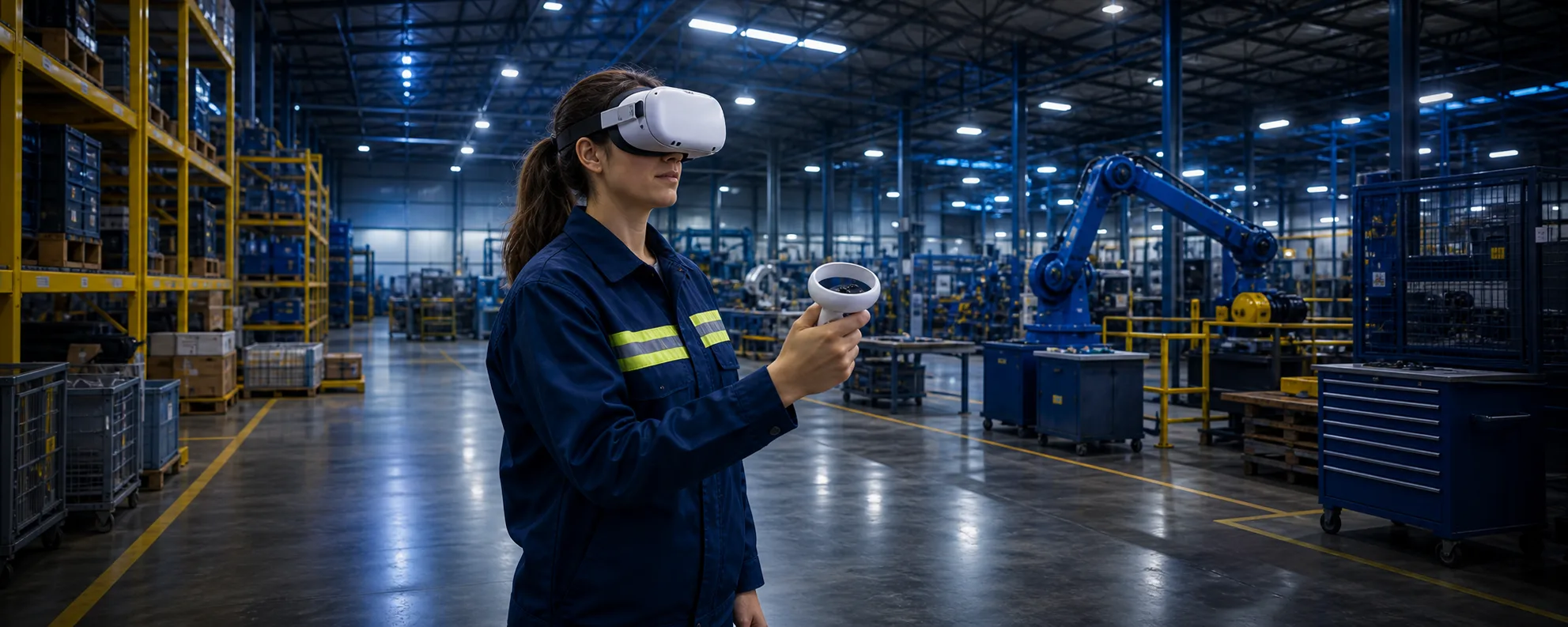
Digital Buckeye creates immersive experiences that let people practice procedures, recognize hazards, make decisions, and build skills through repeatable interaction.
The training challenge
Equipment, materials, facilities, and instructors may not always be available for repeated practice.
Hazardous tasks and emergency situations cannot always be recreated safely for training.
Learners need a repeatable environment in which tasks, decisions, and feedback can be presented clearly.
What we can create
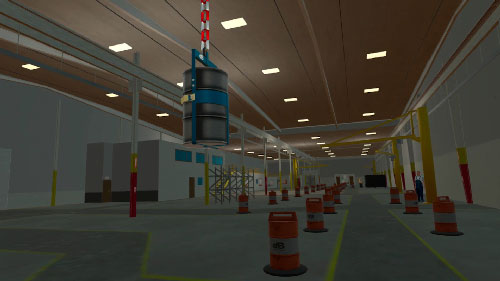
Interactive environments for identifying hazards, applying PPE expectations, and practicing safety decisions.
Simulations supporting overhead crane operation, cab-operated crane training, and equipment-specific procedures.
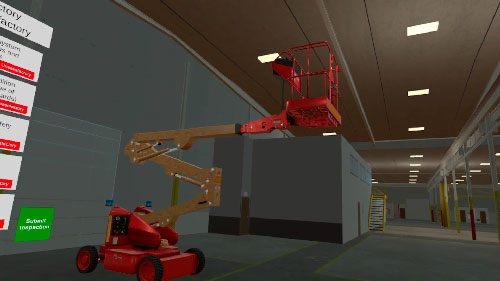
Practice for examining equipment such as manlifts and fire extinguishers in a repeatable environment.
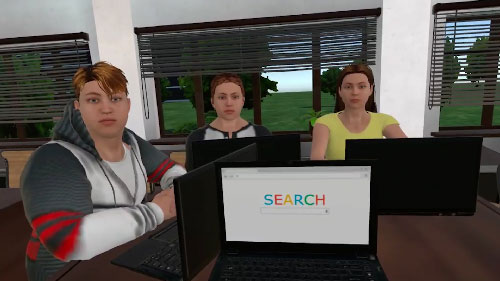
Scenario-based practice in school and community environments with decisions and explicit feedback.
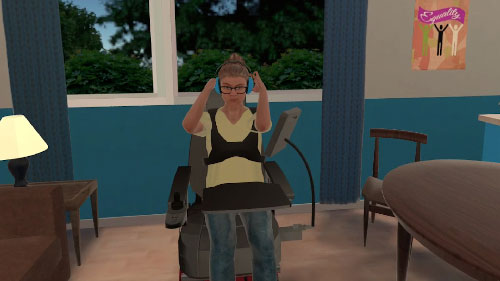
Interactive learning experiences for direct support professional situations and skill development.
360-degree experiences for exploring manufacturing and other environments remotely.
Existing work
These examples reflect the range of industrial, educational, and human-services training currently documented on the Digital Buckeye site.
View all VR demonstrationsPractical value
Start with the need
Tell us what learners need to practice, where the work happens, and how successful performance should be evaluated.
Start a conversation